

A missed pest report can leave a New York City building team sorting through texts, photos, and hallway conversations. That delays action and adds administrative work when bed bug concerns need attention quickly. Apartment QR code reporting gives tenants one clear way to report suspected bed bugs.
The code won't solve an infestation or replace a qualified inspection. For property managers, it creates a consistent reporting path across a multifamily property. A clear workflow can protect privacy, reduce confusion, and support documented follow-up toward professional treatment.
Apartment QR Code Reporting Starts With a Clear Workflow
A QR code entry that only creates another inbox won't solve the problem. Scattered service calls and ordinary maintenance requests can bury suspected bed bug reports in a generic queue. Residents may report a bite, spotting, or insect sighting, but staff still need to know who owns the next step and when the tenant will hear back.
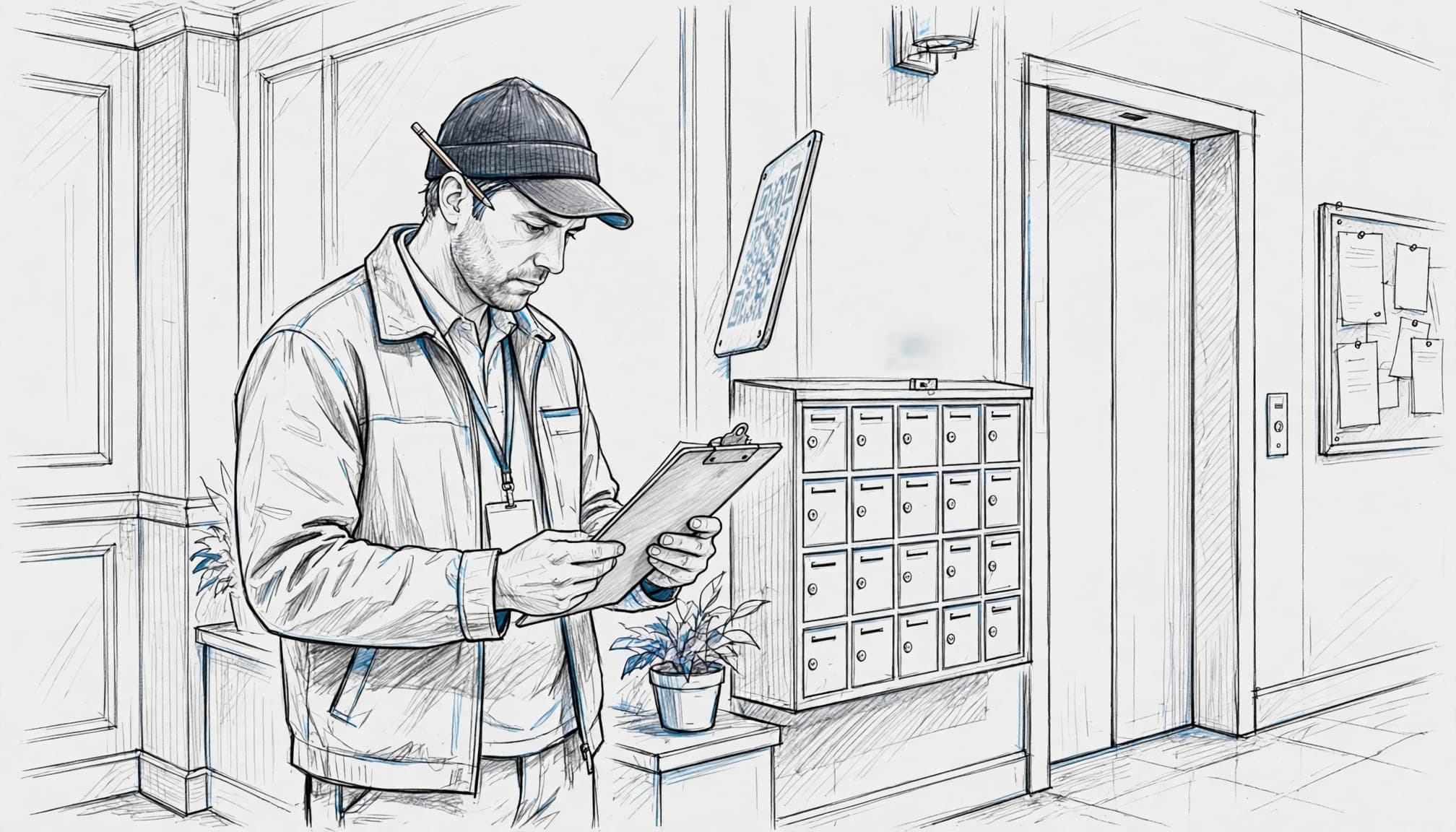
Define what happens after a scan
Set the workflow before posting a code. A qualified manager should review the submission, acknowledge the tenant, and create or link a work order after triage. When the workflow supports it, automated ticketing can route notifications without attempting to diagnose bed bugs.
BedbugOps NYC organizes that process around a building-specific QR code. A tenant can submit unit details, notes, and optional photos in under a minute, rather than trying to find the right email address during a stressful moment. The reporting route isn't an access control credential, and it doesn't change door permissions.
Keep maintenance reports separate from pest cases
A suspected pest issue needs a different response than a loose cabinet hinge. If reports land in a general maintenance queue, staff may miss details that an inspector or exterminator needs.
Use a clear category for suspected bed bug activity. Ask factual questions, such as where evidence appeared and when it was first noticed, but don't describe a unit as infested before a professional inspection confirms it.
A QR report records a concern. It does not confirm an infestation, identify a source, or replace a licensed pest management professional.
Build a Reporting Form Tenants Can Finish Quickly
Long forms discourage reporting and produce partial records. A form that asks too little forces your team to restart the conversation by phone or email.
A QR code entry should open a mobile-friendly form in a browser. It should work without requiring a dedicated smartphone app.
Collect facts that support an inspection
Keep the required fields focused on information the response team can use:
- Building and apartment number, plus the resident's preferred contact method.
- Date of the sighting, a short description, and where the concern appeared.
- Optional photos or a request for contact about physical evidence.
- Access limitations, language needs, or other details that affect an appointment.
Keep suspected bed bug reports separate from unrelated facility issues, so the maintenance team receives a clear intake. After management reviews the facts, it can associate the submission with a work order when appropriate. The form itself doesn't confirm an infestation or determine the required action.
Avoid questions that imply fault. A clean apartment can still have an issue, and blame-driven wording makes tenants less likely to report early.
Set expectations on the confirmation screen
After submission, tell the resident that management received the report and will coordinate the next step. The message should explain that a trained professional must inspect the unit before treatment decisions are made.
The EPA's bed bug prevention guidance supports an integrated pest management approach that includes prevention, identification, and treatment steps. Your tenant-facing language should stay calm, practical, and free of promises that a QR report cannot deliver.
Where to Place QR Codes in Apartment Buildings
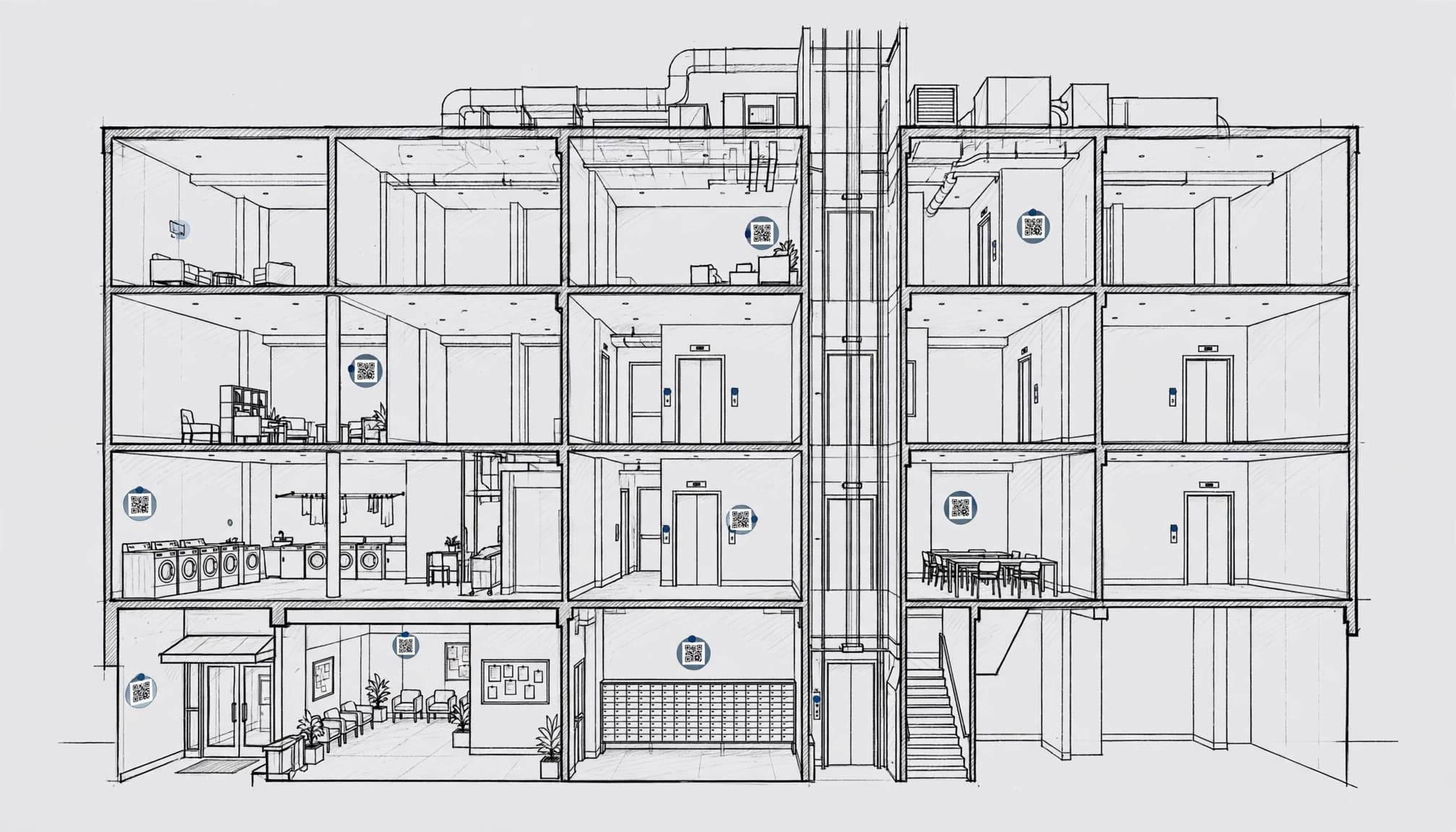
Placement should put the reporting option in normal tenant pathways without making a private health concern public. Use durable, clean placards with a short instruction, such as "Report a suspected pest issue privately."
A reporting QR code isn't QR code entry or a temporary code for a door. Keep it separate from readers that support key fobs or a virtual key, so it doesn't interfere with building access control. If the property uses QR code entry for residents or visitors, keep the reporting placard visually distinct from that system and its building access control hardware.
Entrances and lobbies give every resident access
The main entrance or lobby is the strongest primary location because residents pass through it frequently. Place the code near a building noticeboard, package area, delivery access point, or other visible shared feature. Avoid placing it over entry readers or beside a list of open cases or resident names.
At a staffed lobby, keep the placard separate from visitor management materials and entry equipment. A single entrance code also keeps the reporting route consistent. Staff can point tenants to the same process during calls, in move-in materials, and after a verbal report.
Elevators, mailrooms, and laundry rooms reinforce the route
Elevator waiting areas work well because tenants have a moment to scan without blocking a doorway. Keep the placard close enough to notice, but not on elevator controls, fire-safety equipment, or required notices.
Mailrooms and laundry rooms offer useful secondary placement. These spaces reach residents who may not regularly use the front lobby. Still, use the same building code across common areas so staff don't need to reconcile separate reporting channels.
Tenant noticeboards need careful wording
A tenant noticeboard can carry a small QR placard if it sits among general building information. Don't post announcements that say a particular apartment reported an issue, received treatment, or missed preparation.
For unit-specific communications, send a private message, letter, or portal link directly to the affected resident. The building QR code should lead to a private submission form, while updates about a case should remain inside the authorized workflow.
Protect Privacy Without Hiding the Reporting Route
Poor placement can make a tenant feel publicly labeled. A resident who must scan beside a label about a pest problem may wait, report incompletely, or avoid reporting altogether.
Keep reports off public displays
Never attach a QR code to an apartment door to indicate that unit's report or treatment status. Avoid posting submitted photos, case numbers, inspection findings, contact information, or access logs in a lobby, elevator, laundry room, or mail area, and keep building access control details private.
Instead, use neutral language that applies to any resident. A placard can invite a private maintenance or pest report without identifying a person, unit, current building condition, or suggesting code violations or resident fault.
Offer a backup for tenants who can't scan
Some residents don't carry smartphones, have accessibility needs, or prefer speaking with building staff. Provide a phone number, management email, office hours, or superintendent contact alongside the QR code.
Train staff to enter verbal reports and service calls into the same private case process. Never use a public placard to share a temporary code or case information. Otherwise, the building recreates the very problem the code was meant to fix: an incomplete trail scattered across calls, texts, and personal notebooks.
Turn Each Submission Into a Managed Case
The pressure rises after the first report arrives. Tenants need a response, supers need instructions, and owners need records that don't disappear across inboxes.
Use the BedbugOps Portal from intake to closeout
The BedbugOps Portal gives property teams a shared place to manage each case. A tenant uses the building-specific QR code entry to submit unit details, notes, and optional photos. This is a reporting route, not a door credential.
Property managers review and acknowledge the case in the admin dashboard. The team then assigns inspection, vendor, preparation, or follow-up tasks. When appropriate, staff create a linked work order and record related communication, access attempts, preparation notices, treatment dates, invoices, and findings.
The case record should remain separate from building access control systems. Exterminators can update the shared timeline instead of relying on scattered emails, texts, or service calls. That structure gives staff a factual record when a resident asks what happened and when.
Management can review and export the records during HPD annual bed bug filing season. The Portal organizes documentation, but it doesn't identify bed bugs, perform treatment, or guarantee a compliance outcome.
Pair fast reporting with professional pest control
Prompt reporting helps teams schedule an inspection while details are fresh. However, bed bugs can hide in cracks and crevices, so observation alone doesn't establish the condition or treatment scope.
The EPA notes that monitoring tools, including interceptors, can help confirm whether control efforts worked as part of integrated pest management for bed bugs. Follow the licensed provider's written plan for inspection, preparation, treatment, and follow-up.
Keep the Codes and Records Working All Year
A sign that fades, peels, or leads to the wrong building defeats the process. The same applies to a case timeline that ends after an inspection, leaving treatment and follow-up undocumented.
Test every location on a routine schedule
Assign a manager, super, or porter to test each placard periodically. Test the QR code entry from a normal tenant position. Confirm it opens the correct building form, and replace damaged or redirected signage quickly.
Review visibility after lobby renovations, mailroom changes, or elevator work. Keep the placard distinct from building access control readers, and judge placement by normal resident movement rather than where it was easiest to tape up.
Review cases for operational patterns
A monthly review can reveal recurring access barriers, late preparation issues, vendor delays, or repeated reports near the same area. These patterns don't prove a building-wide problem, but they help management ask better questions and schedule appropriate professional review.
For teams handling HPD annual bed bug filing work, centralized records make it easier to review the year's reports and supporting documents. Confirm current local reporting and recordkeeping duties with the relevant housing authority or legal adviser.
Key Takeaways
- Apartment QR code reporting works best when the code feeds one private, building-specific intake process.
- Place primary placards at entrances or lobbies in apartment buildings, then reinforce them in elevators, mailrooms, laundry rooms, and noticeboard areas.
- Keep unit-level reports, photos, treatment details, and resident communications out of public spaces.
- Give tenants a non-QR option, then add every report to the same case record.
- BedbugOps NYC helps property managers move from intake through inspection coordination, treatment tracking, follow-up, and exportable records.
Frequently Asked Questions
Should every apartment unit have its own QR code?
Usually, no. A building-specific code in common areas is simpler to maintain and avoids making a unit appear singled out. For an active case, send private instructions directly to the resident and record all updates in the case timeline.
Can a tenant report without a photo?
Yes. Photos can help document what the resident saw, but they are not proof of an infestation. The report should still capture the unit, date, observations, and a way for management to arrange professional follow-up.
Does a QR code replace a bed bug inspection?
No. The code speeds up intake and preserves the initial details. A qualified pest management professional should inspect, identify evidence, recommend treatment, and determine whether follow-up or additional areas need review. The EPA's Bed Bug Clearinghouse includes resources on detection, monitoring, non-chemical methods, and pesticides.
Give Every Report a Clear Next Step
A QR code earns its place when it reduces the gap between a tenant's concern and a documented, professional response. Discreet placement, private intake, and disciplined case tracking make the first report easier to manage without exposing the resident.
Buy or subscribe to BedbugOps to set up a building-specific reporting process for your NYC properties. For more practical guidance, explore the BedbugOps NYC blog.