

Finding live bed bugs after an initial treatment calls for a documented next-step plan, not an automatic repeat application. Dead insects can be expected, while continuing activity needs assessment by your pest professional.
For NYC property managers, scattered tenant photos and unclear appointments can turn reports of bed bugs into repeated complaints. A coordinated next visit gives residents clear instructions and gives the exterminator evidence to work with.
Start by separating expected aftermath from signs that need attention.
Key Takeaways
- Dead bed bugs and old shed skins alone don't show that live activity continues or that treatment failed.
- Report live activity promptly, and coordinate follow-up timing with the pest professional.
- Keep treatment instructions, sightings, access arrangements, and inspection findings in one case record.
Days 1 to 3: Re-Enter Safely and Preserve the Treatment
First, follow the written instructions for the professional treatment performed. Heat and pesticide applications have different re-entry requirements.
Returning After Heat or Chemical Applications
After chemical treatment, the product label and written professional instructions determine re-entry, ventilation, and drying requirements. EPA's pesticide labeling guidance supports following label restrictions rather than a generic waiting period.
After heat treatment, return only after the professional releases the space for occupancy. Equipment must be removed and the room must cool sufficiently.
Once cleared, tenants can generally resume sleeping in their usual bed unless instructed otherwise. Moving to another room can spread the problem.
Putting Clothes and Belongings Back
Keep cleaned clothing sealed until the professional's aftercare instructions for the chemical treatment allow unpacking. Don't place belongings on treated surfaces before the required drying or re-entry conditions have been met.
Avoid scrubbing or vacuuming treated cracks and edges without direction, because that can remove residual products. Meanwhile, managers should preserve the treatment date, method, preparation instructions, and written aftercare directions.
Our tenant treatment preparation guide can help organize instructions before another visit.
Days 4 to 7: Identify What Tenants Are Finding
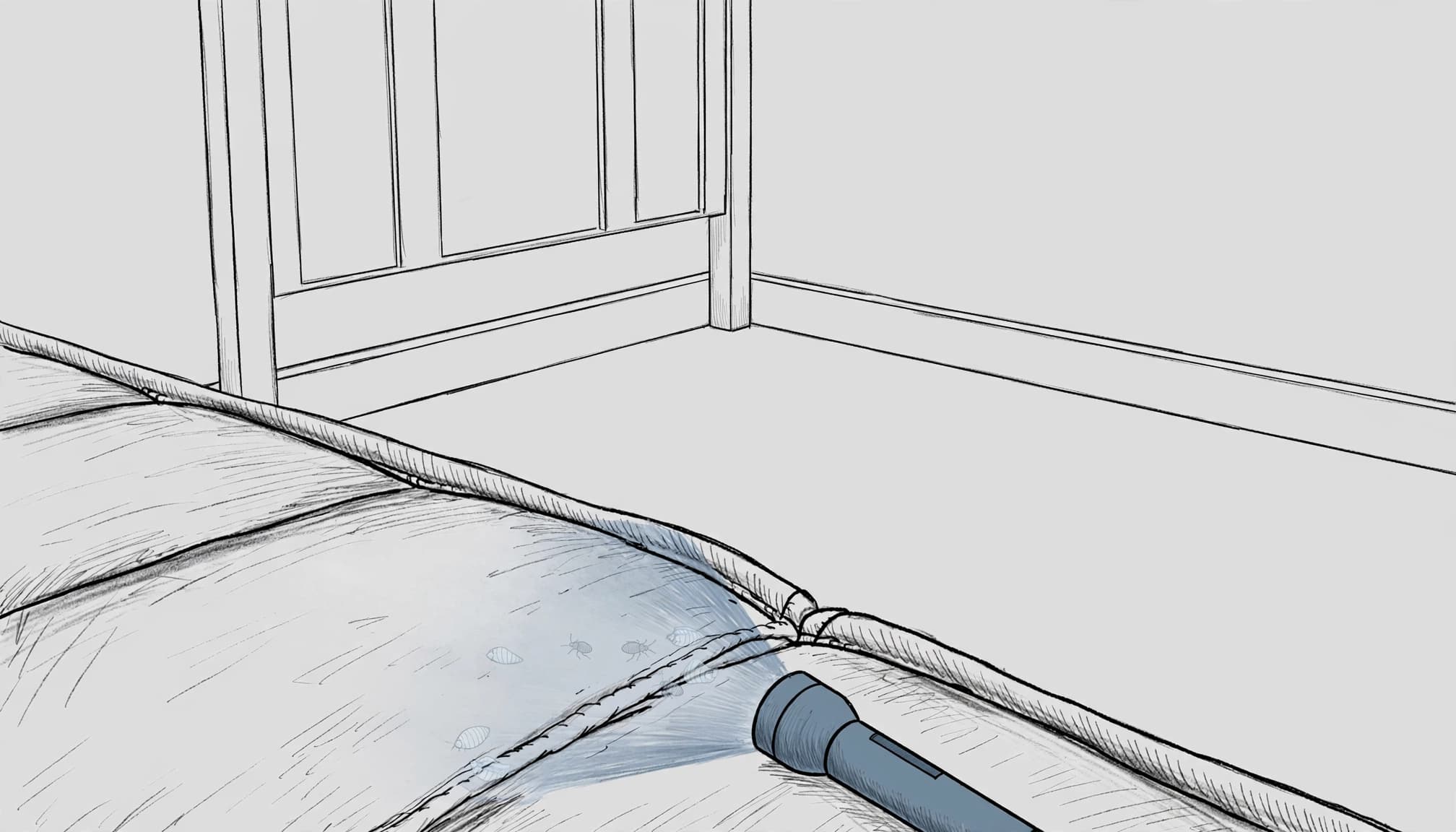
Ask tenants to photograph suspected bed bugs and record where and when they found them. Photos and specimens help a professional assess the finding, but don't confirm activity on their own. During the inspection, check mattress seams, box springs, headboards, bed-frame joints, and nearby baseboards with a flashlight.
Dead Bed Bugs Versus Shed Skins
A dead adult is typically reddish-brown, oval, and about the size of an apple seed. It may lie on its back with curled legs. Older remains can become shriveled and dark, sometimes appearing black after a week or more. Younger bugs are smaller.
Shed skins are translucent or pale yellow, hollow, lightweight, and dry. They contain no blood. Shells found after treatment may be old, so their discovery doesn't establish continuing activity.
Live Bugs and Possible Eggs
Movement is stronger evidence than color or body position. Don't judge whether an insect is dead solely because it isn't moving immediately.
Photograph suspected eggs or save a specimen in a sealed container for professional identification. Eggs are hard to assess without experience, and photos can't reliably show whether they're viable.
Bite-like marks alone can't confirm an active infestation. Skin reactions can appear later, and other conditions can cause similar marks.
Days 8 to 14: Decide on the Next Visit
Don't wait until a tenant reaches a breaking point to discuss the next appointment. Share the sighting record early. The exterminator can use it to plan a follow-up inspection and bed bug treatment around access and preparation.
Chemical Treatment Needs a Planned Review
Prevsol suggests 12 to 16 days as a planning window for chemical treatment. A follow-up treatment may be needed, but the professional's treatment plan and product requirements determine appointment timing.
Some pesticides don't kill every egg, so newly hatched bugs may appear between visits. Persistent live bed bugs around day 14 warrant reassessment, rather than an assumption that treatment is progressing normally.
Resistance can contribute, but missed hiding places, incomplete preparation, access problems, or movement between apartments can also matter. The professional should decide whether the treatment method or product needs changing.
Live Bugs After Heat Deserve Prompt Attention
Properly delivered heat treatment can kill bed bug eggs and mobile stages during treatment. Report confirmed live bugs after heat promptly.
Prevsol's heat-treatment guidance describes cracks and crevices reaching 121°F, with ambient air between 130°F and 145°F for three hours. Its cited 116°F to 119°F range isn't a stand-alone guarantee, since exposure duration and cold spots matter, especially for eggs.
These are professional treatment parameters, not instructions for heating an apartment yourself. Virginia Tech's heat-treatment guidance explains the importance of temperature monitoring and exposure time.
Between Visits: Clean Without Undoing the Work
Cleaning supports treatment for bed bugs when it follows the professional's plan. Extra pesticide applications or aggressive cleaning of treated areas can complicate the next visit.
Launder and Vacuum With Containment
Wash suitable bedding and clothing in hot water, then dry on high heat. For dryer-safe items that can't be washed, use a full 30-minute dryer cycle rather than assuming a shorter cycle is sufficient. Follow fabric-care limits.
Bag items before carrying them through the building. After drying, place them in clean, sealed bags or containers.
Vacuum permitted areas thoroughly, then seal and discard the vacuum contents promptly. Keep the appliance and collection process from carrying insects elsewhere.
Keep Furniture Unless Disposal Is Necessary
A treated mattress doesn't automatically need replacement. A fully bed-bug-proof mattress encasement with a secure zipper closure can support the control plan. A loose plastic covering isn't equivalent.
Keep encasements intact and follow the professional's instructions about how long they must remain installed.
If disposal is necessary, coordinate containment and removal with management. Vacuum and contain debris as directed. Dragging uncovered furniture through hallways risks spreading insects. Replacing a mattress while the surrounding infestation remains unresolved can expose the replacement too.
After Day 14: Monitor Instead of Assuming Closure
The EPA's bed bug control guidance recommends an inspection at least every seven days in case eggs remain, with continued checking for at least a year after treatment.
Place an interceptor under appropriate furniture legs as directed. Check and clean the interceptor weekly. Reapply talcum powder only when its instructions call for it; designs differ.
Record findings from the interceptor, including dead bed bugs and days when it is empty. Repeated negative checks and empty monitors are more useful than one quiet night.
An invoice marked "treatment complete" records a service visit. It doesn't establish that the infestation is gone.
If live bed bugs remain after three treatments, request a broader professional review rather than repeating the same process without explanation. The review should address access, preparation, methods used, and whether nearby units need assessment.
Don't label every later sighting a "re-infestation." A professional should assess whether the findings indicate continuing activity or a possible re-infestation.
Avoid DIY Additions That Create New Problems
Tenants may reach for a fogger when they're frustrated. Explain that foggers aren't a stand-alone chemical treatment for bed bugs because their spray doesn't reliably reach cracks and crevices.
Steam must reach at least 130°F, and forceful airflow can scatter insects. Keep steaming within the professional's plan, especially near treated surfaces or electrical components.
For freezing, use sealed bags and a thermometer-confirmed freezer temperature of 0°F or below. The EPA recommends at least four days, and bulky items need enough time to freeze throughout.
Pool-grade and food-grade diatomaceous earth aren't appropriate substitutes for an EPA-registered pesticide product. Diatomaceous earth also shouldn't replace the professional's plan, and pesticide use must follow the product label.
Desiccants can take several months to work. Their physical action makes resistance less likely than with some conventional insecticides. That slower action doesn't justify leaving ongoing tenant reports unaddressed, even when desiccants are in use.
Coordinate the Next Visit Through BedbugOps
A tenant shouldn't have to repeat the same sighting to the superintendent, manager, and exterminator. Missing details waste appointment time and make residents feel ignored.
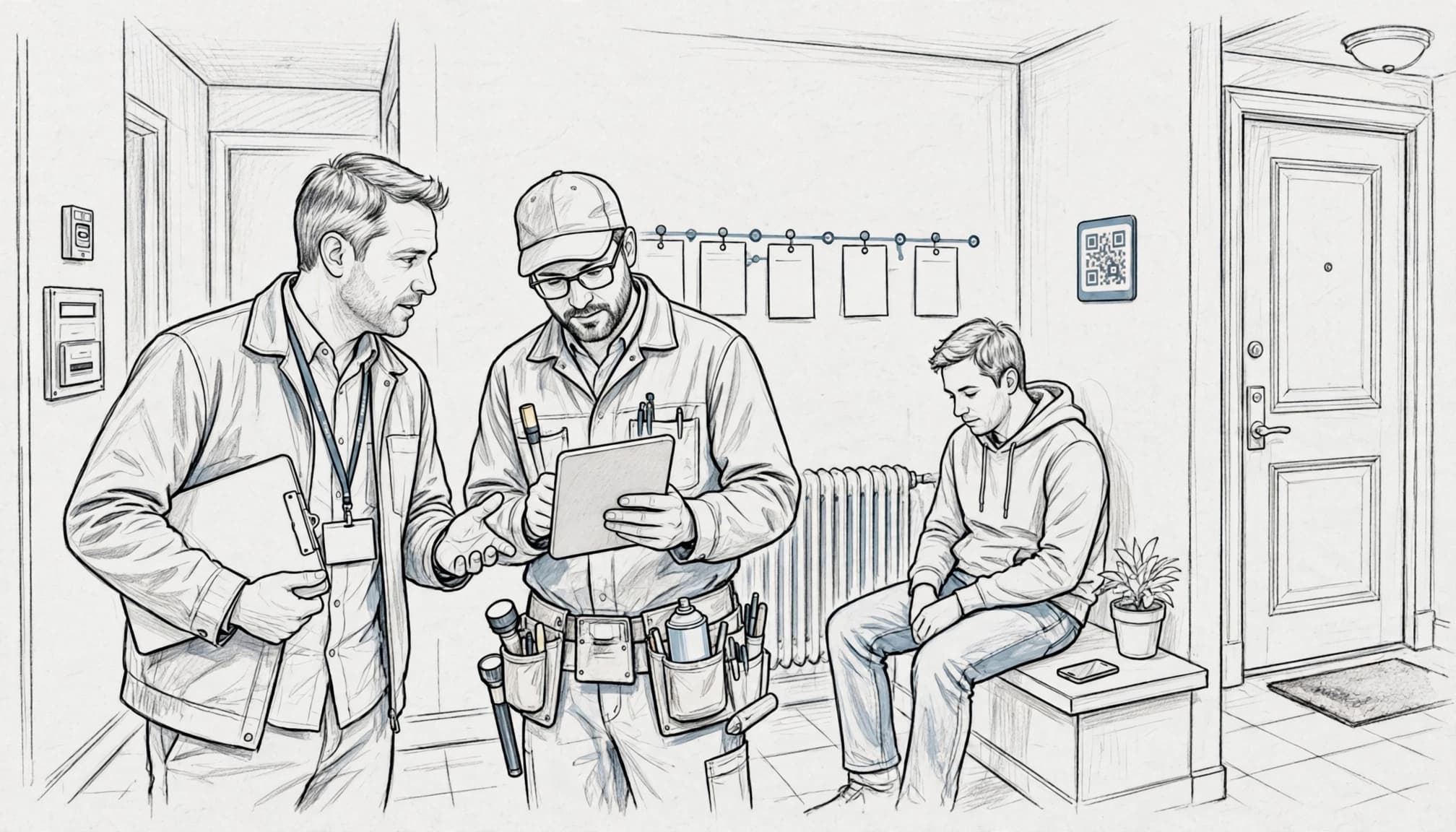
The BedbugOps Portal connects tenant reports with the work that follows:
- Tenants scan the building's QR code and submit their unit details, notes, and photos in under a minute, without downloading an app.
- Managers and exterminators use a shared case timeline to track inspection findings, preparation notices, treatment dates, access issues, and later-visit outcomes.
- Property teams review case progress and export records for HPD's December annual filing season.
Before the next appointment, the case should show the last treatment, recent sightings, confirmed access arrangements, and the resident's preparation status. Record the provider's findings, including any assessment of re-infestation, rather than adding a manager's technical diagnosis.
Our guide to exterminator coordination covers these handoffs in more detail.
BedbugOps works with your existing exterminator. We organize reports, communication, timelines, and records; the pest provider handles inspections and treatment decisions.
Keep Follow-Up Records Ready for December Filing
Today's follow-up notes become part of the building's annual reporting history. Closing a case without recording the outcome leaves a gap when managers calculate building-level totals.
NYC HPD's bed bug requirements require owners of covered multiple dwellings to file annually, including buildings with no reported infestations. The filing window is December 1 through December 31.
For the 2026 filing, the reporting period is November 1, 2025, through October 31, 2026. Records should document unit counts, known infestations, eradication measures, and re-infestation information.
Keep tenant history requests, professional findings, treatment documents, and later-visit outcomes together as evidence for property teams. These records don't replace responses to tenant reports or a professional's work. Annual filing is separate from responding to an active case, so completing one doesn't replace the other.
Frequently Asked Questions
How soon should a chemical-treatment follow-up happen?
Prevsol suggests 12 to 16 days as a planning window, but the professional's treatment plan and product requirements determine the appointment timing. Share sightings early so the exterminator can plan a follow-up inspection.
Do dead bed bugs or shed skins mean treatment failed?
Dead bed bugs and old shed skins alone don't show that live activity continues or that treatment failed. Report suspected live bugs and share photos or a specimen for professional assessment.
What should I do if I find live bed bugs after heat treatment?
Report confirmed live bugs promptly to the professional. The provider should assess the finding and decide what follow-up is needed.
What information should be ready before the next visit?
Keep the last treatment details, recent sightings, confirmed access arrangements, and the resident's preparation status in one case record. Add the provider's inspection findings and the outcome of the visit.
Give Bed Bug Treatment a Clear Next Step
A clear plan pairs reassessment by the professional treatment provider with clear tenant instructions and a shared case record. The pest provider makes inspection and treatment decisions, while property teams coordinate the next visit.
With one shared case history, your team can coordinate the next visit and preserve the records needed for December filing.
Start your seven-day trial or subscribe to BedbugOps to connect tenant reports, exterminator updates, and filing-ready records.