

A spotless lobby can hide a messy record. Before you sign a lease, buy an apartment, or move into a new unit, check the building's bed bug history first.
That search is worth your time, but it isn't perfect. Public records can lag, filings can be missing, and the same address can show up in more than one format. Start with the city's records, then back them up with direct questions and written notes.
Start with the official NYC bed bug record
The first place to check is the city's own system, then use BedbugOps NYC Building Readiness Tool to make the search faster and easier to review. It helps you check a building's bed bug history without juggling multiple tabs or address formats on your own.
The city still matters here. HPD's bedbugs page explains the reporting rules, and it confirms that owners of multiple dwellings must file an annual bed bug report. HPD says those filings become public.
Timing matters right away. According to NYC 311's bed bug filing guidance, the annual report covers November 1 through October 31, and owners file it from December 1 through December 31. Because of that schedule, the newest public record may still describe last year's activity, not what happened last week.
Use the city record first, then run the address through BedbugOps NYC Readiness tool so you can spot the filing history, compare dates, and catch gaps faster.
Use this quick reference before you search:
| Record | What it tells you | Biggest limit |
|---|---|---|
| HPD rules page | How annual reporting works | It is not a building-by-building history page |
| HPD filing portal | Public filing information tied to the annual report | It reflects filed data, not real-time conditions |
| NYC Open Data | Multi-year public records you can sort or compare | Address matching can get messy |
| BedbugOps NYC Building Readiness Tool | Whether the building address entered is equipped to handle a bed bug infestation issue for their tenants during their stay | It still depends on the public records behind it filled by the building owner or property manager |
That last point trips people up. A blank result does not always mean a clean building. It can mean no filing, a late filing, a search mismatch, or a record that hasn't updated yet.
Public bed bug history is useful, but it is not a live building log.
So, treat the city record as your starting point. It gives you the official frame for an NYC bed bug history check, but you still need to read it with care.
Search the address like a detective would
Start with the BedbugOps NYC Building Readiness Tool, then confirm what you see with the HPD bed bug portal and the NYC Open Data bedbug reporting dataset. Run the same building through a few address variations before you trust the result.
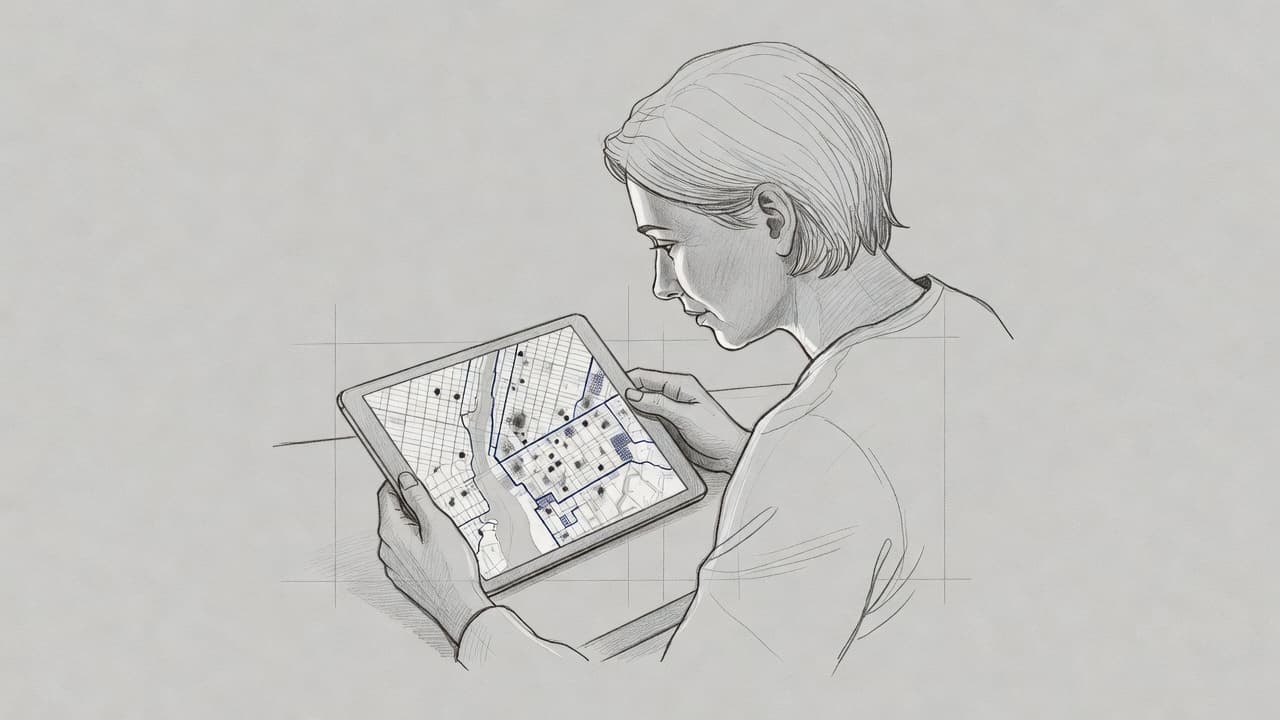 A simple process works well:
- Search the full street address first. Use the house number, street name, borough, and ZIP code if the tool allows it.
- Try common address variations next. Search "Street" and "St," "Avenue" and "Ave," or "West" and "W." In Queens, test hyphenated numbers exactly as listed, then try nearby variations if nothing appears.
- Check the whole building address, not your unit. Annual reports are building-wide. Unit numbers usually won't help.
- Review the newest filing first, then step backward. One old report from years ago tells a different story than several recent filings.
- Save what you find. Take screenshots, note the date, and keep a copy of any record you may need later.
Large buildings create more confusion. Some have several entrances, corner addresses, or a marketing name that doesn't match the legal street address. Condos and co-ops can be tricky too, because the listing may highlight a unit or tower name while the public record uses the base building address.
Search at least two address formats before you trust a blank result.
If you're helping a client, managing a portfolio, or checking a place for yourself, that extra minute can change the whole picture.
Read the history for patterns, gaps, and timing issues
Once you find a filing, don't stop at yes or no. The point is to read the pattern.
A building with one older bed bug issue and no recent activity may not worry you much. A building with repeated recent filings, missing years, or vague answers from management deserves more attention. What matters most is recency, not just the existence of any past problem.
The annual filing is also limited by design. It summarizes activity during a fixed reporting period. So if you are about to move in during November, the most recent public filing may still end on October 31. In other words, the record can be accurate and still be out of date for your move-in decision.
Look for these clues as you read:
- Are there filings for several years in a row, or only one isolated year?
- Does the building seem to have a recent pattern rather than an old, resolved issue?
- Is the latest filing missing when it should already be public?
- Does the listing or seller describe the unit as newly treated or renovated without giving details?
Missing information matters too. A filing gap can mean the owner filed late, the search missed the right address, or the building failed to file. You can't tell which one applies from the blank space alone.
That's why bed bug history records in NYC are helpful but incomplete. They are also time-limited. Older records may matter less than what happened in the last one or two reporting cycles. At the same time, a recent incident may not appear yet if it happened after the reporting window closed.
If the public record looks clean but the situation still feels off, trust the inconsistency. Clean data and shaky answers rarely belong together.
Ask the owner or manager direct follow-up questions
Public records tell part of the story. The next step is to ask for the rest.
When you speak with the landlord, managing agent, seller, or co-op board contact, keep your questions narrow and factual. Broad questions often get broad answers.
Use questions like these:
- Has this unit had any bed bug reports or treatment in the recent past?
- Were adjacent units, plus the units above and below, checked after any report?
- When was the last treatment, and was follow-up inspection completed?
- Has the building filed its latest annual HPD bed bug report?
- Can you send the answer in writing, along with any disclosure or treatment record you already provide?
 Written answers matter because memory gets fuzzy fast. If someone answers by phone, send a short email recap the same day. Note the date, the person's name, the building address you checked, and what they said. Save screenshots of the city record beside those notes.
That habit helps renters and buyers, but it also helps property managers. These are the same questions prospects ask when they are trying to avoid a bad move. Clear records and direct answers build trust faster than vague reassurances.
If something doesn't line up, go back once more. Ask the owner or management company to clarify the mismatch between the public filing and their answer. If the issue still isn't clear, contact the building owner, the managing agent, or the relevant city agency for guidance. HPD or 311 can help point you in the right direction when the record is confusing.
Conclusion
A quick online search is better than a gut feeling, but the strongest decision comes from official records. Start with the official NYC sources, then use the BedbugOps tool to compare building bed bug filing results. Be sure to read the filing dates carefully.
That process won't give you a perfect history every time but it will give you a clearer path to spot potential bed bugs risk for that building before you sign the lease.