

New York City already moves at full speed. During the FIFA 2026 World Cup, it will move even faster.
More fans, more luggage, and more short-term stays will put extra pressure on buildings across Manhattan, Brooklyn, Queens, the Bronx, and Staten Island. If you're booking a place for match week, safety should go beyond price, location, and rooftop photos.
That matters for visitors and residents alike, because a building's response process can shape whether a small pest issue stays small. BedbugOps gives NYC properties a cleaner way to track reports, act faster, and stay ready when traffic spikes.
FIFA World Cup 2026 in NYC: What Visitors and Residents Should Know
The New York and New Jersey region is preparing for a huge tournament footprint. Host officials have projected about $3.3 billion in economic impact, and city plans already point to heavier transit use, borough watch parties, and busier streets on match days.
Many fans will stay in the five boroughs, then travel to MetLife Stadium for soccer matches in New Jersey. That means more movement through Penn Station, subway platforms, apartment elevators, hotel hallways, and shared laundry rooms. Crowd congestion is more than a transit headache, because it also increases turnover in the places people sleep.
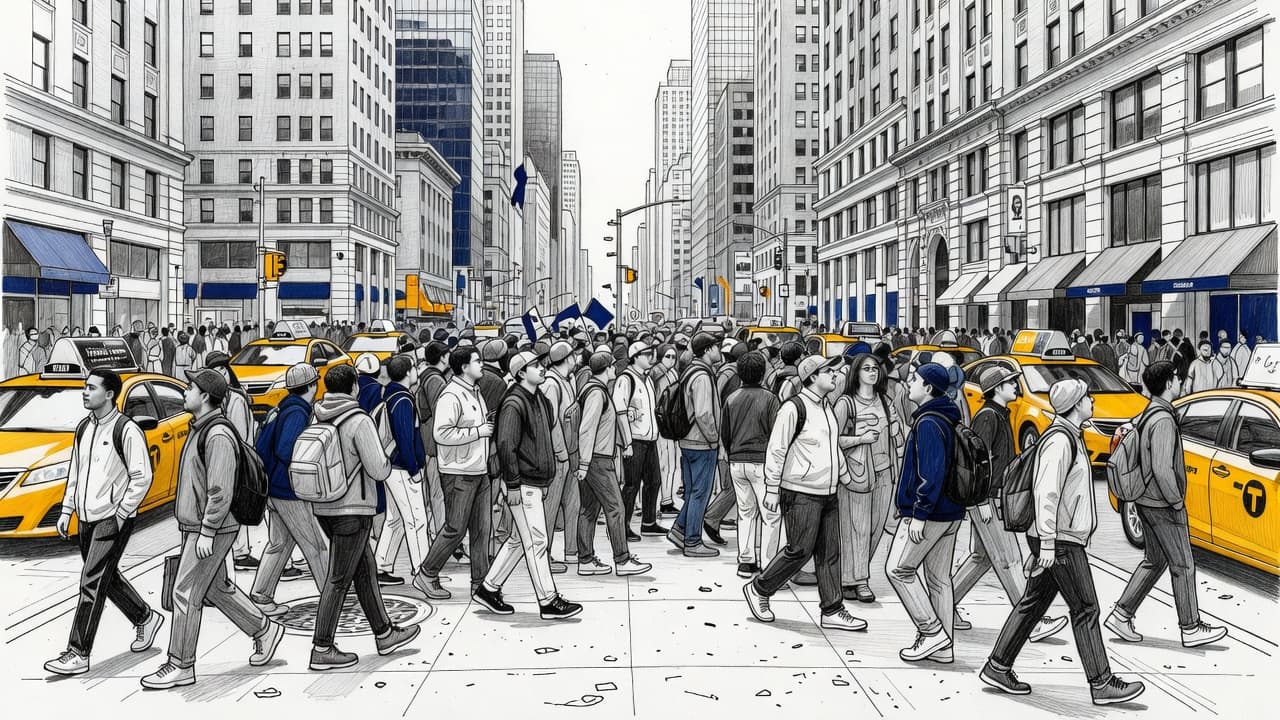 For residents, that can mean more guests in neighboring units and more strain on building staff. For hosts and property teams, it means less room for sloppy record keeping. New Yorkers know that building problems spread stress fast, especially when visitors are coming and going with bags, coats, and soft goods.
A busy sports calendar doesn't create pests on its own. However, high traffic can expose weak building systems, slow response times, and gaps in reporting.
Bedbug Safety During High-Traffic Seasons
Bedbug safety matters more when guest turnover rises. Bed bugs transmission between places usually happens when insects hitchhike on luggage, clothing, backpacks, or upholstered items.
Crowds don't create bedbugs, but constant movement gives them more chances to travel.
That is why bedbug readiness is a visibility problem as much as a pest problem. If a building cannot document reports, alert the right people, and move treatment forward quickly, one complaint can turn into more unit exposure, angrier guests, and lasting review damage.
If you're wondering how to stay safe from bed bugs during your visit, start with the room, not the listing headline. Put luggage on a rack, inspect mattress seams and headboards, keep bags off beds and sofas, and wash travel clothes when you return. The travel advice on encountering bed bugs from the Northeastern IPM Center matches what cautious travelers already do.
For residents, the same logic applies inside multi-unit buildings. Quick reporting, clear case notes, and fast treatment reduce the chance that a problem lingers longer than it should.
Booking a Stay Around the Boroughs
Each borough offers something different during World Cup season. Manhattan may cut commute time but often brings higher rates and heavier building turnover. Brooklyn offers neighborhood variety and plenty of short-term options. Queens can work well for airport access and practical train connections. The Bronx and Staten Island may offer more space or lower prices, but commute times need a hard look.
Still, safety should rank alongside transit, budget, and amenities. Before booking an Airbnb, Vrbo, hotel, or bed-and-breakfast, ask whether the property has a clear bedbug process. Can staff explain what happens if a guest reports a concern? Is the building current on its filing record? Does management show signs of organized follow-up?
The BedbugOps Address Checker adds a useful layer before you commit. You can verify apartment building bedbug readiness and review whether a property shows current HPD filing presence, BedbugOps certification status, or progress toward certification. That gives visitors more than a polished listing page.
Many New Yorkers already look for buildings that take the issue seriously. Visitors should do the same, especially when World Cup demand pushes people to book fast.
How BedbugOps Helps NYC Buildings Stay Ready
For New York City building owners and managers, the real problem is not one report. The real problem is what happens when reports arrive during a high-traffic stretch and nobody can see the full case history.
BedbugOps fixes that with simple tracking. Tenants can scan a building QR code and submit a report with unit details, notes, and photos in under a minute. Property teams can follow the case timeline, coordinate with their exterminator, and keep every update in one place. That matters during World Cup season, when fans, cleaners, staff, and residents all expect quick answers.
 The platform also helps buildings stay organized for annual filing. That removes the usual scramble and gives managers a cleaner record when questions come up. COVID taught cities the value of good tracking after shared exposure. Bedbug response needs the same discipline inside a building.
For travelers and residents, the benefit is peace of mind. For property teams, it is speed, proof, and better readiness. If your building expects heavier summer traffic, a free trial with BedbugOps is a practical step before check-ins rise. The New York State bed bug guidance also reinforces how important fast, organized control is once a problem appears.
A Busy Tournament Needs Ready Buildings
World Cup season will bring energy, tourism, and packed trains, but buildings cannot afford to be less prepared when visitor traffic rises. Bedbug safety comes down to readiness, clear records, and fast response.
Whether you're a fan booking a stay or a resident sharing walls with short-term guests, it helps to know the property has a system. When a building can document, track, and act quickly, everyone sleeps a little easier.