

"I'm getting bitten, but I can't find any bugs." For NYC property managers, that report creates an immediate challenge: respond promptly without declaring an infestation you haven't verified.
Suspected bed bug bites can leave residents anxious and building staff unsure what to do next. Bite marks alone don't prove an infestation, but an unanswered concern about bed bugs can damage trust and delay discovery of a real problem.
Start with a calm acknowledgment, then move the concern into a documented inspection and follow-up process.
Key Takeaways
- Take the tenant's concern seriously without identifying the cause of skin symptoms.
- Keep reported observations separate from professional inspection findings, including when no evidence appears.
- Use BedbugOps NYC's building-specific QR code and shared case timeline to track tenant reports of bed bugs separately from professional findings, exterminator updates, and records for December HPD filing season.
Take the Report Seriously Without Diagnosing From Bites

Separate Skin Concerns From Pest Evidence
A tenant's description of itchy bumps, red bumps, or bite marks is useful context, but those observations don't confirm bed bug bites. Even a zig-zag pattern can't establish the cause. Mosquitoes, fleas, skin reactions, and an allergic reaction can also cause similar symptoms.
Managers shouldn't identify the cause from bite marks or skin photos, or suggest a medical diagnosis. If a resident needs help with symptoms, direct them to a qualified clinician.
Bed bugs feed on human blood, and their saliva contains an anesthetic and anticoagulant. These facts don't identify the cause of a tenant's symptoms. Refer medication questions about hydrocortisone cream or antihistamines to a clinician or pharmacist.
Likewise, don't connect the complaint to housekeeping. BedbugOps' guidance on bed bugs in clean apartments explains why cleanliness doesn't establish whether an infestation exists or rule out bed bugs.
Give a Concrete Next Step
Thank the resident, acknowledge the discomfort, and explain how management will assess the report. Give a specific time for the next update, even if the inspection appointment is still pending.
A useful response is: "Thank you for reporting this. We'll record your observations, arrange an inspection, and confirm the appointment details."
HPD's bed bug guidance explains that tenants can contact 311 when an owner doesn't address the condition. A documented response helps your team act consistently, but the record must accompany actual follow-through.
Capture Useful Details Before Messages Scatter
A hallway conversation may identify a concern, but it rarely gives an exterminator enough information. Meanwhile, photos sent separately can lose their connection to a unit or discovery date.
Open a case when the concern arrives. Record the tenant's account as reported observations, rather than turning a report of possible bed bugs into a confirmed finding.
Ask for information that supports inspection:
- Record the unit, room, and location where the resident noticed symptoms or possible pest evidence.
- Ask when the concern began and whether insects, spotting, shed skins, or eggs were observed.
- Collect available photos of the suspected evidence and its location without requiring photographs of the resident's skin.
- Confirm contact details, access availability, and any barriers to the inspection.
Recent travel, a move, or secondhand furniture may provide context. None proves where a pest came from or who introduced it.
Keep photographs focused on conditions, not personal documents, prescription labels, or other residents. BedbugOps' guide to useful bed bug evidence photos helps teams collect images showing suspected bed bugs and their location, supporting an inspection without exposing unnecessary private details.
Inspect for Bed Bug Evidence Before Making a Determination
Check the Reported Area and Nearby Hiding Places
Arrange a prompt assessment by a qualified pest control professional. Tell them exactly what the resident reported and where they noticed it.
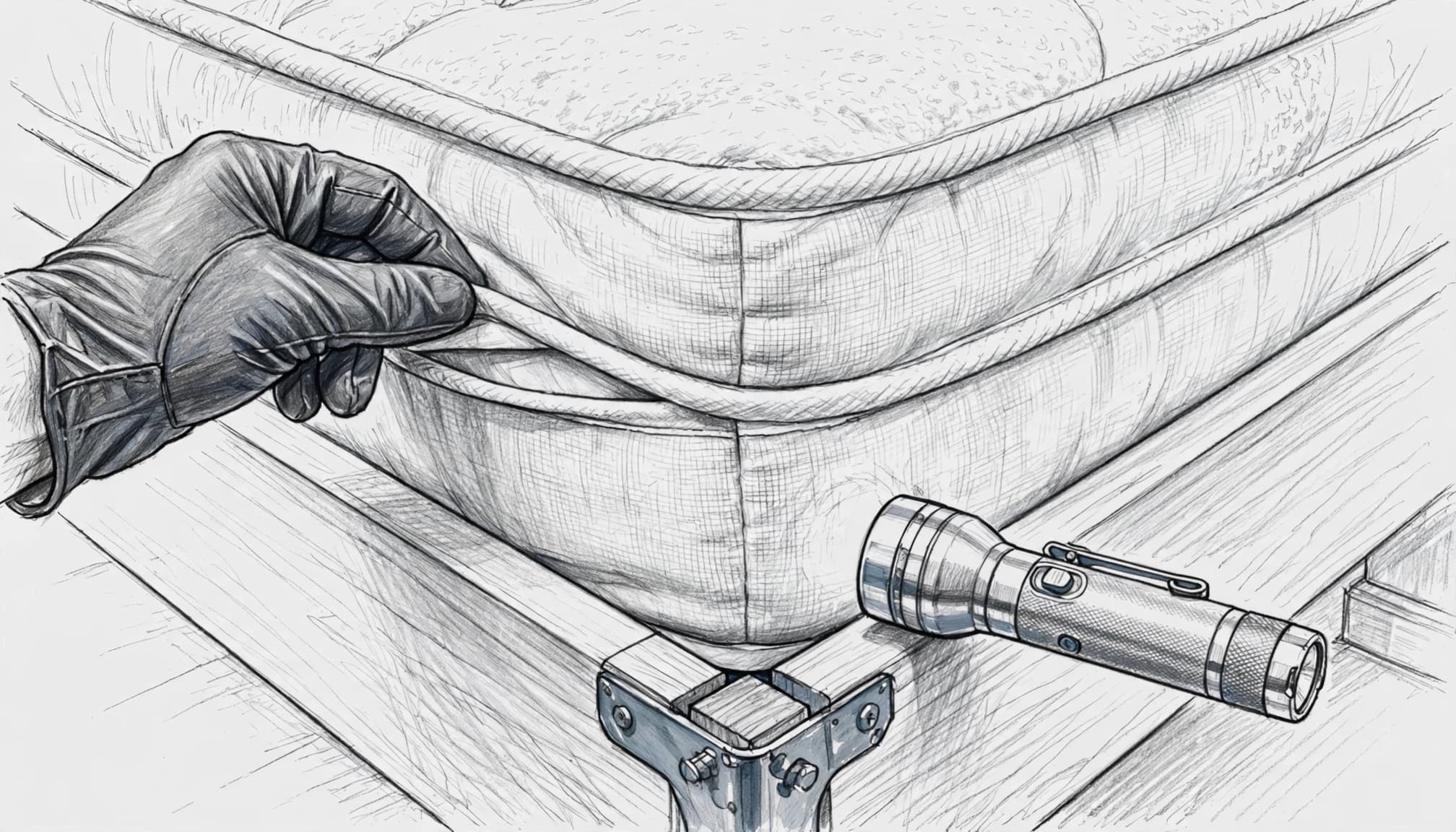
Inspection points include mattress seams, box springs, bed-frame joints, screw holes, headboards, and nearby upholstered furniture. Bed bugs can hide in small gaps, so a quick look at the top of a mattress isn't a complete assessment.
Adult bed bugs are roughly the size of an apple seed and reddish-brown. Look for live insects, pale exoskeletons, tiny eggs, dark spotting, or blood stains. Stains may come from human blood or other sources, and a musty odor is nonspecific. Neither confirms bed bugs. BedbugOps' explanation of recognizing visible bed bug signs describes evidence worth documenting.
Request a Written Finding, Not a Verbal Guess
Stains and debris need context. Dirt, ink, old spills, and other insect material can resemble infestation signs.
Ask the provider to document the areas inspected, evidence observed, identification, and recommended next steps. Photos should remain attached to the relevant finding.
Also record limitations, such as inaccessible furniture or rooms that weren't examined. A limited inspection shouldn't become a building-wide assurance.
"No evidence of bed bugs found during this inspection" describes a result. It doesn't establish the cause of the tenant's symptoms or guarantee that hidden activity is absent.
That distinction keeps management's communication accurate without dismissing the concern.
Match Follow-Up to the Inspection Result
When the Inspection Finds No Evidence of Bed Bugs
Tell the tenant what the provider inspected and found. Avoid saying the complaint was imaginary or that the apartment is permanently clear.
New bite marks or continued symptoms don't confirm the cause. Record them and refer the resident to the provider or a clinician as appropriate.
Instead, document a follow-up plan. The pest professional may recommend monitoring, another inspection, or identification of a newly collected specimen.
If concerns continue, preserve the new dates and observations in the same case. Ask the provider whether the additional information changes the assessment.
Unresolved concerns can contribute to sleep deprivation. Give the resident a clear reporting route and explain what will trigger another review. Don't leave an unresolved concern under an unexplained "closed" status.
When Bed Bugs Are Confirmed
Once a qualified provider confirms an infestation of bed bugs, coordinate treatment using the provider's written plan. Send inspection or treatment dates, access details, preparation instructions, and a contact for scheduling problems.
NYC Health advises notifying and inspecting apartments across, above, and below an infested unit. Coordinate those checks without identifying the reporting resident unnecessarily.
Also discourage moving suspected infested furniture through hallways or elevators. Foggers and random sprays can complicate inspection and spread insects into other hiding places.
Follow the provider's instructions rather than issuing generic preparation demands before the assessment.
Put the Response Into a Shared BedbugOps Case
The operational problem grows when a superintendent has one message, management has another, and the exterminator receives only a partial account. Residents then repeat details while nobody can confirm the next action.
The BedbugOps Portal gives each building a dedicated QR code. Tenants can scan it to submit unit details, notes, and photos in under a minute, while the concern is fresh.
That intake connects a report of possible bed bugs to a case instead of another disconnected text thread. Managers and exterminators can track updates on a shared timeline.
A practical workflow keeps responsibility visible:
- Review the tenant's submission and assign the next action, while preserving the report's unconfirmed status.
- Coordinate the inspection with the exterminator, including access information and the resident's observations.
- Add inspection findings, preparation notices, treatment dates, and vendor updates as the case progresses.
- Record follow-up results and resident communication before documenting the outcome.
Your team can use its existing exterminators while keeping their updates connected to the same record. Managers can review or export those records for HPD filing season.
The portal organizes the response; a qualified professional still determines the pest findings and treatment plan. For reports of suspected bed bugs with no visible insects, that separation matters. An organized case must still distinguish suspicion from confirmation.
Keep Records Ready for NYC's Annual HPD Filing
An unresolved report involving bed bugs is a service issue today. Missing dates and unclear outcomes become a reporting problem later.
Under Local Law 69 of 2017, NYC multiple-dwelling owners must attempt to collect infestation histories from tenants or unit owners. Annual filing is required even when the building reports no infestations.
NYC311's annual bed bug report guidance explains how to report bed bugs. The reporting period runs November 1 through October 31, and the filing window runs December 1 through December 31.
For the 2026 filing, review records covering November 1, 2025, through October 31, 2026. File during December 2026.
Keep reports of suspected bed bugs, tenant-reported histories, professional findings, eradication measures, and follow-up outcomes distinguishable. Before filing, reconcile those records against HPD's reporting definitions rather than automatically counting every bite complaint as an infestation.
BedbugOps lets teams review and export case records and generate an auto-filled HPD annual filing PDF. Managers should check the underlying data before submission; incomplete case updates can produce incomplete filing information.
Also retain the filing receipt and documentation of required tenant notices or posting. Organized records support compliance, but they don't replace the required submission and distribution steps.
Frequently Asked Questions
Should Managers Wait Until a Tenant Finds a Bug?
No. A resident doesn't need to identify bed bugs before management records the concern and arranges an assessment.
Keep the case marked as suspected until findings support another description. Missing evidence of bed bugs calls for investigation, not dismissal.
Can Skin Photos Confirm Bed Bug Bites?
Skin photos alone can't confirm bed bug bites, and neither red bumps nor bite marks establish that bed bugs caused them.
Residents with medical concerns, including a possible skin infection, should consult a qualified clinician. Use antihistamines only if a clinician recommends them.
Photographs of insects, shed skins, eggs, spotting, and their locations are more useful for the pest professional's assessment.
Can a Case Close After One Negative Inspection?
The decision should follow the provider's findings, inspection limits, and recommended follow-up. Record those details and tell the tenant what happens next.
If management closes the case, explain the outcome and how the resident can report new evidence. Closure shouldn't erase the original complaint or inspection history.
Give the Next Report a Clear Path
When a tenant reports bites but finds no bed bugs, a documented response gives your team a sound starting point. Acknowledge the concern, arrange an assessment, and follow up based on the evidence.
BedbugOps NYC connects QR-code intake, exterminator coordination, and case records so uncertain reports receive an organized response.
Build that process before the next complaint. Review BedbugOps' NYC bed bug reporting steps and put a consistent reporting workflow in place for your buildings.